If you think a friction feeder is just a simple product feeder, you’re not the only one. It’s often treated like something interchangeable, easy to swap, and secondary to the rest of the line.
That assumption is where problems start.
In reality, a friction feeder plays a critical role in how your entire packaging line performs. It controls product flow, supports accuracy downstream, and directly impacts uptime. When it’s engineered correctly, it becomes a flexible system component that adapts across applications, industries, and evolving production demands.
This article breaks down what a friction feeder actually does, where it’s used, and how customization – not just speed – affects long-term success.
What Is a Friction Feeder?
A friction feeder is a feeder system that separates and feeds flat or semi-rigid products into a packaging line using controlled friction and consistent spacing. At a basic level, it takes stacked materials like cartons, inserts, or labels, and feeds them one at a time into a downstream process. What matters most is how it does that. A well-designed friction feeder delivers:- Consistent product separation
- Controlled spacing and timing
- Reliable handling of different materials
- Smooth integration with downstream systems
Common Applications Across Packaging Lines
Friction feeders are used across a wide range of packaging applications. Their versatility is one of their biggest advantages.Cartons and Folding Materials
Cartons require precise separation and consistent feeding to avoid jams or misalignment. A friction feeder ensures each piece enters the line cleanly and predictably. This is especially important in high-speed environments where even small inconsistencies can cause stoppages.Inserts and Leaflets
Inserts – including instructions, promotional materials, and regulatory documents – must be fed accurately to match the correct product. A feeder system helps maintain alignment and timing, reducing the risk of mismatched or missing inserts.Labels and Paper Products
Friction feeders are often used to set up labels or paper components for labeling systems or print processes downstream. Consistency here directly affects print quality and label placement accuracy.Blister Cards and Flat Packaging
Blister packs and similar materials require careful handling to avoid damage or misfeeds. A properly configured friction feeder machine can handle these materials without compromising speed or control.Integration with Labeling, Vision, and Verification Systems
A friction feeder does not operate in isolation. Its real value shows up when it is integrated into a broader automation system.Supporting Labeling Accuracy
When feeding into an automatic labeler, consistency is a top priority. If spacing or orientation varies, label placement suffers. A stable feeder system ensures that each product arrives in the same position every time, improving precision.Enabling Vision System Performance
Vision systems rely on predictability. A friction feeder creates a steady flow of products, making it easier for cameras to:- Inspect placement
- Verify printed data
- Detect defects
Strengthening Verification and Control
Verification systems depend on timing and repeatability. When the feeder is stable, downstream systems can:- Confirm product presence
- Validate codes and labels
- Trigger accurate reject actions
Industry Applications: Where Friction Feeders Make an Impact
Pharmaceutical Packaging
In pharmaceutical environments, accuracy and traceability are non-negotiable. Friction feeders are used to:- Feed inserts and patient information leaflets
- Present cartons for labeling or coding
- Support serialization workflows
Food Packaging
Food packaging lines often deal with high volumes and strict sanitation requirements. Friction feeders support:- Feeding tipped inserts and onserts
- Integrating with labeling automation
- Maintaining throughput without increasing labor
Printing and Packaging
In print and packaging operations, speed and precision must work together. Friction feeders are commonly used for:- Feeding printed materials into finishing systems
- Supporting inkjet or coding applications
- Maintaining alignment for high-speed processing
Cannabis Packaging
Cannabis packaging requires full traceability and strict labeling accuracy. Friction feeders help:- Feed compliant labeling materials
- Support variable data printing
- Maintain consistent product flow for Track & Trace systems
Modularity: Designing for Flexibility and Growth
One of the most overlooked aspects of a friction feeder machine is its modularity. A feeder should not be a fixed solution, but should adapt with your line. MFT Automation engineers friction feeders to scale as operations grow and evolve.Discharge Options and Configurations
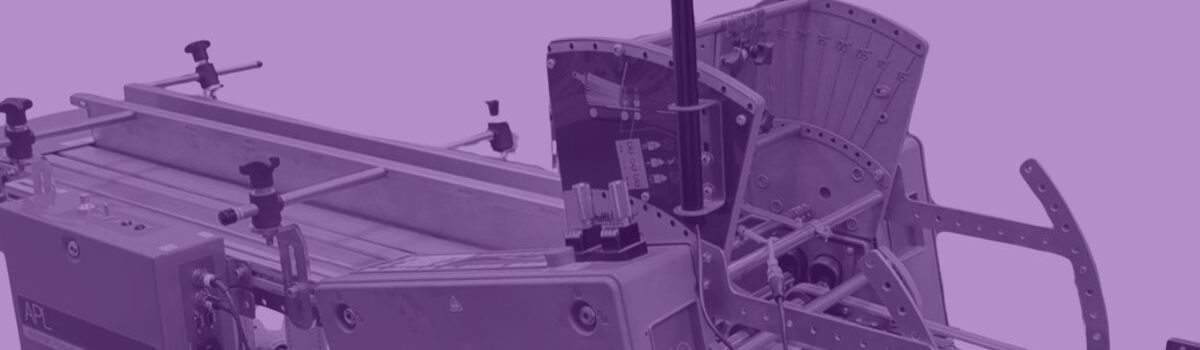
Different applications require different discharge setups. Modular feeders allow for:- Adjustable discharge angles
- Variable speeds and spacing controls
- Integration with conveyors or other systems
Accessories and Add-Ons
Feeder components and accessories expand what a friction feeder can do. Depending on your application, you may need:- Product hold-downs
- Guides for alignment
- Sensors for detection and control
Planning for Future Expansion
Production needs change over time. A modular feeder system allows you to:- Add new capabilities
- Integrate additional systems
- Support new product formats
Why Customization Matters More Than Speed
Speed is often the first specification people focus on. It is also one of the most misleading. A high-speed feeder that cannot handle your product reliably will create more problems than it solves.The Limits of Speed Alone
Speed without control leads to:- Misfeeds and jams
- Inconsistent spacing
- Increased wear and maintenance
- Higher reject rates
MFT Engineers for Real-World Performance
A properly engineered friction feeder takes into consideration:- Material compatibility
- Product variability
- Environmental conditions
- Integration with the full system
Systems-Level Thinking
When you evaluate a friction feeder as part of an integrated system, the priorities shift. You start to focus on:- Uptime across the entire line
- Consistency feeding into downstream processes
- Long-term reliability and adaptability
The Role of Friction Feeders in Automated Packaging Equipment
In modern automated packaging equipment, every component must contribute to overall performance. A friction feeder supports:- Controlled product flow
- Accurate downstream operations
- Reduced manual intervention
- Scalable system design
Key Takeaways
- A friction feeder is a critical system component, not a commodity machine
- Integration with other systems drives overall line performance
- Modularity allows feeders to adapt as production needs change
- Customization delivers better results than focusing on speed alone