Author: admin
Friction Feeder Applications Across Modern Packaging Lines
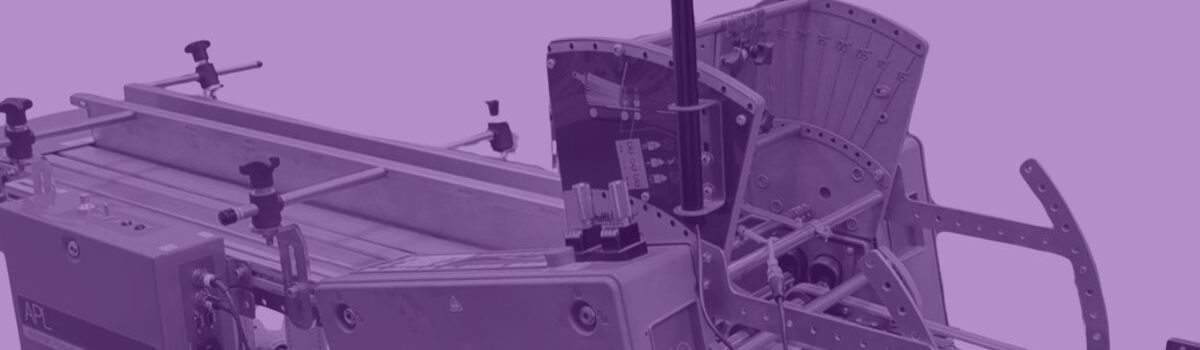
If you think a friction feeder is just a simple product feeder, you’re not the only one. It’s often treated like something interchangeable, easy to swap, and secondary to the rest of the line.
That assumption is where problems start.
In reality, a friction feeder plays a critical role in how your entire packaging line performs. It controls product flow, supports accuracy downstream, and directly impacts uptime. When it’s engineered correctly, it becomes a flexible system component that adapts across applications, industries, and evolving production demands.
This article breaks down what a friction feeder actually does, where it’s used, and how customization – not just speed – affects long-term success.
What Is a Friction Feeder?
A friction feeder is a feeder system that separates and feeds flat or semi-rigid products into a packaging line using controlled friction and consistent spacing. At a basic level, it takes stacked materials like cartons, inserts, or labels, and feeds them one at a time into a downstream process. What matters most is how it does that. A well-designed friction feeder delivers:- Consistent product separation
- Controlled spacing and timing
- Reliable handling of different materials
- Smooth integration with downstream systems
Common Applications Across Packaging Lines
Friction feeders are used across a wide range of packaging applications. Their versatility is one of their biggest advantages.Cartons and Folding Materials
Cartons require precise separation and consistent feeding to avoid jams or misalignment. A friction feeder ensures each piece enters the line cleanly and predictably. This is especially important in high-speed environments where even small inconsistencies can cause stoppages.Inserts and Leaflets
Inserts – including instructions, promotional materials, and regulatory documents – must be fed accurately to match the correct product. A feeder system helps maintain alignment and timing, reducing the risk of mismatched or missing inserts.Labels and Paper Products
Friction feeders are often used to set up labels or paper components for labeling systems or print processes downstream. Consistency here directly affects print quality and label placement accuracy.Blister Cards and Flat Packaging
Blister packs and similar materials require careful handling to avoid damage or misfeeds. A properly configured friction feeder machine can handle these materials without compromising speed or control.Integration with Labeling, Vision, and Verification Systems
A friction feeder does not operate in isolation. Its real value shows up when it is integrated into a broader automation system.Supporting Labeling Accuracy
When feeding into an automatic labeler, consistency is a top priority. If spacing or orientation varies, label placement suffers. A stable feeder system ensures that each product arrives in the same position every time, improving precision.Enabling Vision System Performance
Vision systems rely on predictability. A friction feeder creates a steady flow of products, making it easier for cameras to:- Inspect placement
- Verify printed data
- Detect defects
Strengthening Verification and Control
Verification systems depend on timing and repeatability. When the feeder is stable, downstream systems can:- Confirm product presence
- Validate codes and labels
- Trigger accurate reject actions
Industry Applications: Where Friction Feeders Make an Impact
Pharmaceutical Packaging
In pharmaceutical environments, accuracy and traceability are non-negotiable. Friction feeders are used to:- Feed inserts and patient information leaflets
- Present cartons for labeling or coding
- Support serialization workflows
Food Packaging
Food packaging lines often deal with high volumes and strict sanitation requirements. Friction feeders support:- Feeding tipped inserts and onserts
- Integrating with labeling automation
- Maintaining throughput without increasing labor
Printing and Packaging
In print and packaging operations, speed and precision must work together. Friction feeders are commonly used for:- Feeding printed materials into finishing systems
- Supporting inkjet or coding applications
- Maintaining alignment for high-speed processing
Cannabis Packaging
Cannabis packaging requires full traceability and strict labeling accuracy. Friction feeders help:- Feed compliant labeling materials
- Support variable data printing
- Maintain consistent product flow for Track & Trace systems
Modularity: Designing for Flexibility and Growth
One of the most overlooked aspects of a friction feeder machine is its modularity. A feeder should not be a fixed solution, but should adapt with your line. MFT Automation engineers friction feeders to scale as operations grow and evolve.Discharge Options and Configurations
Different applications require different discharge setups. Modular feeders allow for:- Adjustable discharge angles
- Variable speeds and spacing controls
- Integration with conveyors or other systems
Accessories and Add-Ons
Feeder components and accessories expand what a friction feeder can do. Depending on your application, you may need:- Product hold-downs
- Guides for alignment
- Sensors for detection and control
Planning for Future Expansion
Production needs change over time. A modular feeder system allows you to:- Add new capabilities
- Integrate additional systems
- Support new product formats
Why Customization Matters More Than Speed
Speed is often the first specification people focus on. It is also one of the most misleading. A high-speed feeder that cannot handle your product reliably will create more problems than it solves.The Limits of Speed Alone
Speed without control leads to:- Misfeeds and jams
- Inconsistent spacing
- Increased wear and maintenance
- Higher reject rates
MFT Engineers for Real-World Performance
A properly engineered friction feeder takes into consideration:- Material compatibility
- Product variability
- Environmental conditions
- Integration with the full system
Systems-Level Thinking
When you evaluate a friction feeder as part of an integrated system, the priorities shift. You start to focus on:- Uptime across the entire line
- Consistency feeding into downstream processes
- Long-term reliability and adaptability
The Role of Friction Feeders in Automated Packaging Equipment
In modern automated packaging equipment, every component must contribute to overall performance. A friction feeder supports:- Controlled product flow
- Accurate downstream operations
- Reduced manual intervention
- Scalable system design
Key Takeaways
- A friction feeder is a critical system component, not a commodity machine
- Integration with other systems drives overall line performance
- Modularity allows feeders to adapt as production needs change
- Customization delivers better results than focusing on speed alone
Automation Partners that Educate and Advocate
A friction feeder does more than move products from one point to another. It sets the pace for your entire line. When engineered as part of a complete system, friction feeders improve accuracy, support integration, and protect uptime. When they are treated as standalone machines, they become a hidden source of inefficiency. The difference comes down to design, integration, and long-term thinking. MFT guides customers through the evaluation process, to understand how feeders and other systems fit into your broader operation – not just how fast they need to run. Our approach improves performance, increases ROI, and gives you the flexibility to scale down the road. Ready to see how a customized feeder system can support your packaging line? Let’s talk.Labeling Automation That Scales: From Automatic Label Machines to Print and Apply Systems
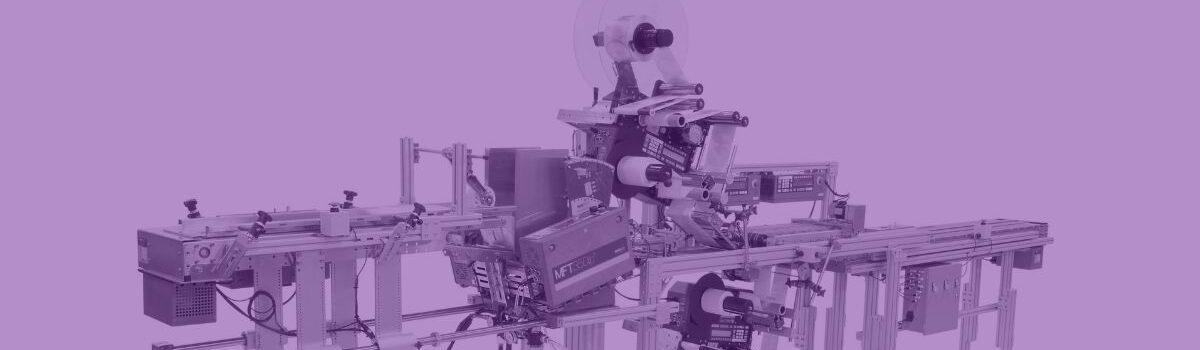
Labeling is often treated as the final step in packaging, when in reality, it is one of the highest-risk points on your line. A single misapplied, missing, or unreadable barcode label can stop production, trigger rework, or create compliance exposure.
That is why automated labeling systems are no longer optional upgrades–they are a critical process tied directly to traceability, uptime, and regulatory confidence.
As product variation increases and data requirements expand, manual and semi-automatic processes struggle to keep up. Scalable labeling automation gives you control, consistency, and the ability to adapt without slowing down.
Key Takeaways
- Automated labeling systems are critical for compliance, traceability, and uptime
- Print and apply label applicator systems enable real-time data accuracy
- Verification and redundancy protect against errors and downtime
- Integrated systems improve performance across the entire production line
The Growing Complexity of Labeling Requirements
Labeling is no longer just about applying a sticker. It now carries critical product, regulatory, and traceability data.More Data, More Responsibility
Across industries, labels must now include a variety of human-readable and machine-readable data including:- Serialized codes
- Lot and batch information
- Expiration dates
- Regulatory symbols and warnings
Industry-Specific Demands
Different industries add their own layers of complexity:- Pharmaceutical and medical packaging require strict compliance and traceability
- Food packaging demands clear labeling and often washdown-ready equipment
- Print and packaging environments require high-speed precision and flexibility
- Cannabis distribution requires accuracy and full product traceability
Shorter Runs, More Changeovers
You are likely managing more SKUs than ever before. Smaller batch sizes and frequent changeovers increase the chance of human error. Automated labeling systems reduce that risk by standardizing setup, maintaining repeatability, and supporting quick transitions between products.Automated Labeling Systems vs. Manual and Semi-Automatic Setups
Not all labeling approaches deliver the same level of control. Manual and semi-automatic processes may work at low volumes, but they introduce variability. Common challenges include:- Inconsistent label placement
- Higher labor dependency
- Increased error rates
- Slower throughput
- Limited scalability
What Defines Automated Labeling Systems
Automated labeling systems are designed to deliver consistent, repeatable performance at scale. They integrate directly into your production line and operate as part of a larger workflow. A modern system typically includes:- An automatic label machine or industrial labelers
- Product handling and spacing control
- Integrated sensors and controls
- Verification or inspection systems
When to Upgrade
If you are experiencing any of the following, it is time to consider automating your labeling process:- Frequent rework due to labeling errors
- Line stoppages caused by misapplied labels
- Difficulty meeting compliance requirements
- Labor constraints or rising labor costs
- Increased SKU complexity
Print and Apply Labeling Systems for Variable Data
Some labeling applications require customized printing and real-time data.What Is a Print and Apply Label Applicator?
A print and apply label applicator prints variable information and applies the label in a single, continuous process. This is essential for applications that require unique identifiers or frequently changing data.Why Print and Apply Matters
Print and apply labeling systems support:- Serialization and unique product identification
- On-demand data printing
- Reduced inventory of pre-printed labels
- Faster response to product or regulatory changes
Supporting Compliance and Traceability
When integrated with upstream systems, print and apply technology ensures that each label reflects the correct, real-time data. This reduces the risk of mismatched labels and products, outdated information, and manual data entry errors. It also supports complete traceability across your operation.Redundancy, Verification, and Inspection as Uptime Protectors
In high-stakes environments, inspection is just as important as application.Built-In Verification Systems
Verification systems confirm that labels are applied correctly and contain accurate data. These systems can:- Check barcode readability
- Verify printed data
- Detect missing or skewed labels
- Trigger automatic rejection when needed
Redundancy Reduces Risk
Redundancy adds a safety layer to your labeling automation. Examples include:- Multiple inspection points
- Backup sensors or cameras
- Automated reject systems
- Real-time alerts and logging
Protecting Uptime
Labeling issues are a common cause of line stoppages. By combining automation with verification and redundancy, you reduce unplanned downtime. Fewer stoppages mean more predictable production schedules, higher overall efficiency, and lower operational costs.Integrating Labeling with Track & Trace and Serialization
Labeling does not operate in isolation. It is a critical part of your larger data ecosystem.Connecting Physical and Digital Systems
Integrated labeling automation connects physical product movement with digital records. Through systems like Track & Trace, automated labeling enables end-to-end product visibility and detailed record keeping.Supporting Serialization Workflows
In serialization, each product receives a unique identification code as part of the automated labeling process. This process requires tight integration to capture real-time product data and store it in an easily accessible database for compliance, audit, and recall purposes.System-Level Thinking
Treating labeling as a standalone machine creates gaps. Treating it as part of an integrated system closes them. When labeling automation is designed as part of a complete system, it aligns with upstream and downstream processes, improving security, speed, and efficiency.Designing Labeling Automation for Scalability
Your labeling needs will not stay static. Your system should not either.Modular System Design
Adaptable labeling automation allows you to expand or adjust your system without needing to rebuild or replace segments that are working. You can:- Add new labeling heads
- Integrate extra verification systems
- Support new product formats
- Upgrade software with minimal downtime.
Supporting High-Mix Environments
As SKU counts grow, production lines must handle frequent changeovers without sacrificing accuracy. MFT Automation’s labeling systems are engineered with operators in mind offering customizable controls, easy access for adjustments, and dozens of ways to perfectly tailor your machine. This means production can keep moving even when complexity increases.Future-Proofing Compliance
Regulations are constantly shifting as consumer needs and industry requirements expand. Scalable systems make it easy to adapt without starting over. A well-designed labeling automation system will help you stay ahead of these changes.ROI for Operations: Reduced Risk, Rework, and Downtime
Automation decisions must deliver measurable outcomes. We know MFT’s automated labeling systems:- Reduce Risk: Accurate labeling and built-in verification reduce compliance exposure and product recalls.
- Reduce Rework: Consistent performance eliminates the need to re-label products or correct errors after the fact.
- Improve Uptime: Reliable systems reduce stoppages and keep your line running at planned speeds.
- Better Allocate Resources: Automation reduces dependence on manual labor, allowing your team to focus on higher-value tasks.
Why Labeling Automation Is a System, Not a Step
Labeling touches every part of your operation. It affects compliance, traceability, and production efficiency. When treated as a standalone step, it becomes a point of failure. When designed as part of an integrated system, it becomes a point of control. This shift in thinking is what separates reactive operations from scalable ones.What’s Next for Your Automated Labeling Process?
Automated labeling systems do more than apply labels. They protect your operation from risk, ensure data accuracy, and support long-term scalability. As labeling requirements continue to grow, integrated, reliable automation becomes increasingly valuable. Systems that combine labeling automation, verification, and Track & Trace capabilities increase operational safety and give you the control needed for consistency and efficiency. If your current labeling process is causing rework, downtime, or compliance concerns, it’s time to rethink your approach. Give us a call to explore how partnering with MFT Automation can expand your production capacity with a scalable, customized labeling system.From Integration to Optimization: What a Long-Term Automation Partner Really Looks Like

Installation day is exciting. The equipment arrives, the technicians get everything running, and suddenly your packaging line is doing things that used to require three operators and constant oversight.
But here’s what separates a successful automation investment from an expensive mistake:
- What happens six months later when production demands change?
- What about a year later when you need to add a new SKU?
- Or three years down the road when regulatory requirements shift?
Automation Success Starts Long Before Installation
Automation projects often start with a problem, which a good partner will help you approach from every angle. They’ll identify upstream processes that will affect a new install and recognize bottlenecks that need to be considered through a new lens. A true collaborator will help you develop a project from square one, and support you in making smart and proactive decisions throughout the process. The best automation partners will guide you through the entire lifecycle, not just the technical bits:- Analysis, discovery, and optimization
- Choosing and future-proofing the right technology
- Engineering, architecture, and building
- Testing and quality assurance
- Installation, training, and change management
- Long-term support and evolution
Automation Success Extends Far Beyond Installation
Every production line goes through phases. The initial installation gets equipment running and operators trained, but the real performance story unfolds over time.- Product mix changes
- Throughput requirements increase
- New compliance standards emerge
- Materials from suppliers shift slightly, affecting how products feed or how labels adhere
Integration Challenges Across Existing Production Lines
Integrating new automation into an existing production environment is more complex than installing a standalone machine. Your new friction feeder needs to communicate with upstream conveyors. Your labeling automation must sync with downstream inspection systems. Timing, product flow, and data exchange all need to work seamlessly across equipment from different manufacturers, often spanning different technology generations. These integration challenges rarely show up in factory acceptance tests. They emerge when systems run at full production speed with real products, real operators, and real-world variables. A long-term partner understands this. They don’t just configure equipment to work in isolation—they engineer solutions that fit into your complete production workflow. MFT Automation approaches every project with this systems-thinking mindset. Whether you’re adding a hygienic friction feeder to an existing food packaging line or integrating print and apply labeling systems into a pharmaceutical serialization workflow, we work alongside your team to ensure every component communicates effectively and performs reliably within your broader production ecosystem.Automation Support, Parts, Upgrades, and Optimization
Production doesn’t stop because a part fails or a software update is needed. This is where ongoing support becomes critical. A true automation partner maintains stock of replacement parts, understands your specific equipment configuration, and can diagnose issues remotely when time matters most. But proactive optimization goes above and beyond just fixing what breaks, identifying opportunities to:- improve cycle times
- reduce changeover duration
- enhance product handling based on real-time production analysis
Modular System Upgrades vs. Full Line Replacements
Market demands change, and your automation needs to keep pace. The question is whether adapting to change requires replacing entire systems or simply upgrading specific modules. This is where modular system design delivers long-term value. Well-engineered automation system integration allows targeted improvements without disrupting your entire production line.- Need faster throughput? Upgrade the feeder servo controls.
- Adding a new product size? Swap in a different label applicator head.
- Implementing serialization? Integrate track and trace components into your existing line architecture.
How MFT Works Alongside Customers as Production Evolves
Long-term partnerships are built on communication, responsiveness, and shared goals. When production challenges arise or opportunities for improvement appear, the right partner is already familiar with your operation and invested in your success. MFT Automation maintains relationships with customers long after installation. We track equipment performance, provide training as your team grows, and stay available when you need technical guidance or troubleshooting support. Our engineering team works with customers to optimize existing systems, retrofit new capabilities, and adapt automation to changing production requirements. This ongoing collaboration has helped customers across pharmaceutical, food, printing, and cannabis packaging operations improve line efficiency, meet new regulatory standards, and scale production without major reinvestment. The difference comes down to partnership—working together to solve real production challenges rather than simply selling equipment and moving on.Automation as a Strategic Investment, Not a One-Off Purchase
The value of automation compounds over time when systems are properly maintained, optimized, and upgraded. What starts as a solution to a specific bottleneck becomes a flexible production platform that adapts to new products, new regulations, and new market demands. Viewing automation as a strategic investment changes how you evaluate vendors. Initial equipment cost matters, but total cost of ownership (including support, parts availability, upgrade paths, and long-term reliability) will determine real value. A partner who stays engaged protects that investment and helps you extract maximum value from every automation dollar spent. At MFT Automation, we’ve spent decades engineering packaging automation solutions that deliver reliable performance across demanding production environments. But equipment is only part of the equation. The real difference comes from how we work with customers throughout the equipment lifecycle—from initial system design through installation, optimization, and ongoing support. Your production challenges don’t stay the same. Your automation partner should support your evolving needs as business changes. Whether you’re exploring your first automation system or optimizing an existing integrated line, the right partnership makes all the difference.Ready to Connect with a Premier Automation Partner?
If you’re evaluating custom automation systems for pharmaceutical, food, printing, or cannabis packaging operations, let’s talk. Our team is ready to discuss your production challenges and explore how integrated automation can provide value today and adapt to your future needs. Contact MFT Automation to start a conversation with our engineering team.Pharmaceutical & Medical Packaging Automation: Precision, Traceability, and Trust
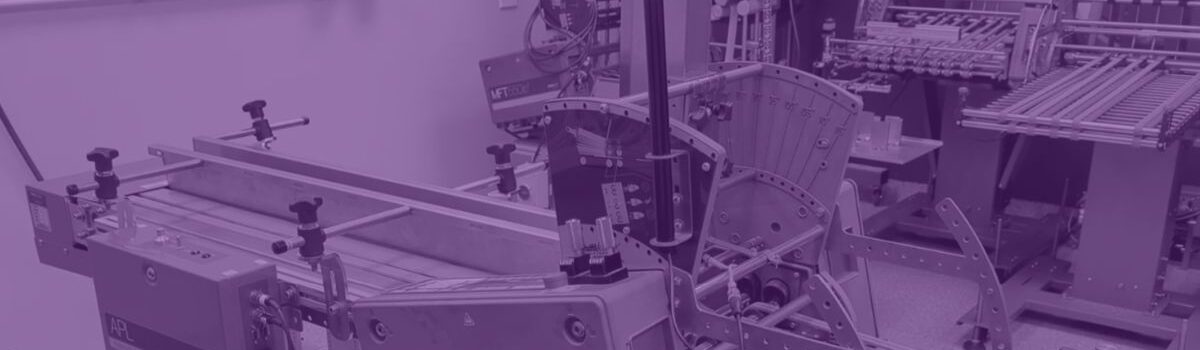
In pharmaceutical and medical packaging, there is no margin for error. A single mislabeled vial, unreadable code, or missing data record can trigger recalls, regulatory action, or lost trust. That is why pharmaceutical packaging automation is no longer about speed alone. It is about precision, traceability, and confidence at every step of the line.
Decision-makers in regulated environments face constant pressure. Regulations evolve. Product mix increases. Batch sizes shrink. At the same time, expectations for uptime and documentation keep rising. The right automation partner helps you meet these demands without adding complexity or risk.
In this article, we’ll explain how modern pharmaceutical and medical packaging automation systems are designed to protect accuracy, maintain compliance, and support long-term operational confidence. You will see how integrated feeders, labelers, vision systems, and Track & Trace technology work together as a single system, rather than as isolated machines.
Unique Requirements of Pharmaceutical and Medical Packaging
Pharmaceutical and medical packaging lines operate under stricter rules than almost any other manufacturing environment. These requirements shape every automation decision.Regulatory Pressure Is Constant
FDA packaging regulations demand repeatability, documentation, and control. Every label, code, and serialized unit must be verifiable. Automation systems must support:- Accurate product identification
- Clear and consistent labeling
- Complete data capture and storage
- Fast root-cause analysis when issues occur
Accuracy Matters More Than Speed
Throughput is important, but accuracy always comes first. Pharmaceutical packaging automation systems must prioritize:- Precise product handling
- Consistent label placement
- Reliable code quality
- Error detection before product leaves the line
Cleanliness and Contamination Control
Medical and pharmaceutical packaging environments often require cleanroom compatibility or hygienic design principles. Equipment must be easy to clean, resistant to corrosion, and designed to minimize contamination points. Automation systems built for these environments focus on:- Smooth, cleanable surfaces
- Minimal crevices and debris traps
- Material choices suited for washdown or sanitation protocols
Common Pharmaceutical and Medical Packaging Applications
Automation must adapt to a wide range of packaging formats. Flexibility is critical.Vials and Syringes
Small, rigid containers demand careful handling and precise labeling. Automation systems must maintain orientation, prevent damage, and ensure readable codes on limited surface areas.Blister Packs
Blister packaging requires accurate product verification and reliable labeling or coding on often reflective materials. Vision and verification systems play a key role here.Pill Bottles
High-volume bottle lines benefit from integrated feeder systems, automatic labeler technology, and in-line verification to maintain speed without sacrificing accuracy.Pouches and Sachets
Flexible packaging introduces challenges in handling and label placement. Integrated print and apply labeling systems help ensure consistent identification on variable surfaces.Extended Content Labels (ECLs)
ECLs are common in pharmaceutical packaging due to regulatory requirements. Automation must support accurate application, proper folding, and verification to ensure legibility and attachment integrity.The Role of Integrated Automation Systems
In regulated environments, standalone machines create gaps. Integrated systems close them.Feeders: Controlled Product Flow
A friction feeder or feeder system ensures consistent product spacing and orientation. This consistency is essential for downstream accuracy. When feeders are designed as part of a complete system, they:- Reduce misfeeds and jams
- Improve label placement accuracy
- Protect fragile products
- Maintain predictable line flow
Automatic Labeler Systems
An automatic labeler must do more than apply labels. In pharmaceutical and medical applications, it must do so with precision and repeatability. Modern labeling automation supports:- Tight placement tolerances
- Multiple label formats
- High-speed changeovers
- Seamless integration with verification systems
Print and Apply Labeling Systems
Print and apply labeling systems play a critical role in serialization and traceability. These systems allow variable data, barcodes, and human-readable information to be printed and applied in real time. Key benefits include:- Reduced labeling errors
- Real-time data integration
- Support for unique identifiers
- Flexibility for short runs and frequent changes
Vision and Verification Systems
Vision systems act as a final gatekeeper. They confirm that the right label is on the right product, with the right data. Verification systems can:- Confirm barcode readability
- Validate serialized data
- Detect missing or misapplied labels
- Trigger automatic rejection when errors occur
Serialization, Verification, and Risk Mitigation
Serialization is not optional in pharmaceutical packaging automation. It is a core requirement.Why Serialization Matters
Serialization assigns a unique identifier to each product unit. This supports:- Anti-counterfeiting efforts
- Product traceability
- Recall management
- Regulatory compliance
Redundancy as a Safety Net
Redundancy reduces the impact of failures. In regulated environments, redundancy is a design choice that protects uptime and compliance. Examples include:- Multiple verification points
- Backup data capture systems
- Automated reject mechanisms
- System alerts and logging
Track & Trace Integration
Track & Trace systems connect physical packaging actions with digital records. Integrated automation systems allow serialization data to flow seamlessly from printer to verifier to database. This integration supports:- Faster audits
- Accurate reporting
- Easier investigations
- Long-term data integrity
Designing for Clean Environments and Validation Readiness
Pharmaceutical and medical packaging automation must be built with validation in mind from day one.Validation-Friendly Design
Validation-ready systems simplify internal, operational, and performance qualification processes. Clear documentation, standardized components, and predictable system behavior reduce validation time. Well-designed systems:- Use proven, repeatable configurations
- Provide clear documentation and change records
- Support controlled updates and upgrades
Hygienic and Washdown Design
For applications requiring sanitation, equipment design matters. Washdown conveyors, hygienic equipment, and corrosion-resistant materials help maintain cleanliness without excessive downtime. Design considerations include:- Open-frame construction
- Stainless steel components
- Sealed electronics where required
- Easy access for cleaning
ROI Value: Why Systems Matter
Automation decisions are business decisions. Integrated pharmaceutical packaging automation systems deliver measurable value.Reduced Recall Risk
Accurate labeling, verification, and serialization reduce the likelihood of costly recalls. When issues do arise, Track & Trace systems help identify affected units quickly.Compliance Confidence
Systems designed for FDA packaging regulations support audit readiness and regulatory confidence. Documentation and data integrity become built-in features, not afterthoughts.Improved Uptime
Integrated systems reduce stoppages caused by misfeeds, mislabels, or data errors. Fewer interruptions mean more predictable production schedules.Scalability for Future Needs
Modular automation systems allow lines to evolve. New products, new regulations, and new data requirements can be addressed without full system replacement.Why Partnership Matters in Regulated Automation
In pharmaceutical and medical environments, automation is not a one-time purchase. It is a long-term relationship. A trusted partner:- Educates and advises through expertise and collaboration
- Supports system integration and optimization
- Helps adapt systems to new regulations
- Provides parts and service over time
- Stays engaged beyond installation
Key Takeaways
- Pharmaceutical packaging automation prioritizes accuracy, traceability, and control.
- Integrated systems reduce risk compared to standalone machines.
- Feeders, automatic labeler systems, vision, and Track & Trace work best as one cohesive system.
- Serialization and redundancy protect compliance and uptime.
- Validation-ready, hygienic design supports regulated environments.
Ready to explore compliance-ready automation?
Pharmaceutical packaging automation is about trust. Trust in your data. Trust in your labels. Trust in your systems under pressure. By designing integrated, modular systems that prioritize precision and traceability, manufacturers reduce risk and gain long-term confidence. Automation built for regulated environments supports compliance today and adapts to the challenges of tomorrow. If you are evaluating automation for pharmaceutical or medical packaging, focus on systems, not just machines. Work with a partner who understands regulated environments and stays engaged long after installation. Book a conversation with our engineering team to see how integrated systems can support your line.Vertical Form Fill and Seal Machines: Why the Right Automation Partner Makes Your Line Stronger

Vertical form fill and seal (VFFS) machines have become essential for companies packaging food, medical supplies, and pharmaceuticals. As demand grows for safer products, faster throughput, and more flexible packaging formats, manufacturers are expanding their VFFS operations with supporting automation that keeps lines running smoothly.
At MFT Automation, we play a critical role in strengthening the systems that surround automated VFFS lines. From hygienic friction feeders and labeling systems to robotic pick-and-place solutions, tray forming, sanitary conveying, and custom solutions, we’ll help you engineer a fully integrated packaging line that scales with your production goals.
If you’re looking to improve efficiency, increase product safety, or automate more of your packaging process, the right automation partner can make all the difference.
The Role of Vertical Form Fill and Seal Machines in Modern Production
Vertical form fill and seal machines streamline three critical packaging steps: forming the pouch, filling it with product, and sealing it for distribution. Their speed, flexibility, and compact footprint make them ideal for industries prioritizing product safety, hygiene, and throughput. As packaging demands evolve, facilities rely on VFFS systems to handle:- More frequent product or SKU changeovers
- Variable pouch formats
- Stricter quality and traceability standards
- Higher output without expanding floor space
Why Integrated Automation Matters for VFFS Lines
To get the most out of your VFFS equipment, the machinery upstream and downstream must work in harmony. Supporting automation helps you:- Improve throughput by eliminating manual bottlenecks
- Ensure hygienic handling for food, medical, and pharma packaging
- Increase accuracy and repeatability for labeling, loading, and product movement
- Reduce changeover time with smarter, modular equipment
- Create end-to-end traceability with labeling and verification systems
Supporting Automation Systems That Strengthen VFFS Performance
This is where MFT delivers the most impact. Whether you’re automating a single step or building a comprehensive packaging line, our systems help VFFS machines operate at peak efficiency.1. Hygienic and Industrial Friction Feeders
Friction feeders are essential for adding inserts, coupons, cards, labels, or specialty materials into a VFFS workflow. In food, pharmaceutical, and medical environments, hygienic engineering is non-negotiable–and that’s where our Hygienic Washdown Series stands out. These feeders meet IP67 or higher and NEMA4X standards and are built with:- Type 304 stainless steel
- 1200-watt brushless servo motor
- An open, self-draining design
- FDA-compliant materials with no hollow areas
2. Hygienic Labeling Systems
A VFFS line is only as accurate as its labeling and identification. For food, pharma, and medical packaging, hygienic labelers allow you to maintain compliance without downtime. MFT’s hygienic label machine features:- Open, self-draining construction
- Moisture and corrosion resistance
- Minimal disassembly for quick sanitation
- High-precision servo control for consistent placement
3. Robotic Pick-and-Place and Loading
Robotics are increasingly important in VFFS operations, especially for:- Loading trays or containers
- Transferring flexible or semi-rigid packs
- Sorting, stacking, or orienting products
- Supporting sanitary or clean-room workflows
4. Tray Forming for Container-Based VFFS Applications
While many teams think of VFFS exclusively for bags and pouches, a growing number of operations are integrating tray forming into their packaging lineup. The MFT Tray Former 500 supports this by forming consistent trays at high speed with:- Toolless die and ram changeovers
- Drawer-style access for easy maintenance
- A compact footprint for tight floors
- Simple operator controls
- Servo-driven precision and welded steel stability
5. Conveying and Material Handling
Reliable product flow is critical for VFFS performance. MFT conveyors, including washdown-ready options, help you move materials safely and consistently through forming, filling, sealing, labeling, and packing stages. This includes:- Hygienic conveyors for food and pharma
- Product transport between VFFS and downstream modules
- Support for automated inspection and rejection stations
- Space-conscious configurations for tight production areas
Why MFT Automation Makes an Ideal Partner for VFFS Lines
Your VFFS machine can only perform as well as the systems that surrounds it. That’s where MFT’s engineering-driven approach adds long-term value. When you collaborate with MFT, you get:A Production Problem-Solver, Not Just a Component Vendor
We don’t just sell modules and widgets; we help you engineer a complete solution that solves real operational challenges.Deep Expertise in Food, Medical, and Pharma Packaging
From hygienic design to washdown-friendly materials, our systems meet the standards these industries demand.Configurable Systems That Scale with You
As you expand your VFFS operations, every MFT system is designed to evolve with your line and adapt to changing requirements.Reliable Automation Backed by Quality Engineering
Every machine is built for long-term performance, operator-friendly usability, and minimal maintenance.Stronger, Smarter, More Complete Packaging Lines
VFFS machines are foundational to high-speed packaging, and they’re even more powerful with the right automation partner beside them. Whether you’re improving an existing line or building a new one, MFT Automation supports you with hygienic equipment, robotic integration, tray forming, labeling, feeding, and connected material handling systems. If you’re looking to elevate efficiency, expand automation, or solve a persistent production challenge, we’re here to help.Talk with an Automation Specialist
Ready to strengthen your vertical form fill and seal operations? Our engineering team is here to help you solve your next automation challenge and build a smarter, more scalable packaging line.Machines for Packaging Food: Innovation for a Cleaner, Smarter Future
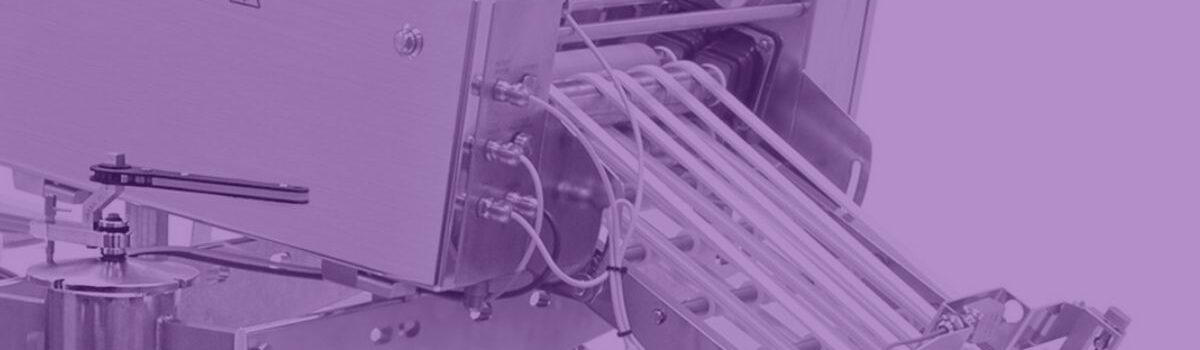
The food packaging industry is moving faster than ever, which has manufacturers turning to automation to help them stay efficient and compliant. Between growing consumer expectations, tighter regulations, and continuous product innovation, adaptability is emerging as a new priority for modern systems. Food packaging machines go above and beyond mechanical functionality these days, offering flexibility and smart engineering that supports growth, precision, and safety across your production lines.
The Evolution of Food Packaging Automation
From simple mechanical feeders to fully integrated automation systems, the role of machines for packaging food has transformed dramatically. Early systems focused strictly on speed, where today’s focus includes precision, adaptability, and traceability. Automation now helps food producers manage everything from flexible packaging formats to frequent product changeovers, while helping you maintain strict hygiene and quality standards. MFT Automation is proud to be part of that evolution by engineering reliable automation that scales with production demands and adapts to new market trends.Efficiency, Adaptability, and Scalability
The push for more efficient operations has driven the rise of automated packaging equipment in food production. Automated systems reduce manual handling, improve accuracy, and maintain consistent product quality. They also adapt quickly to new packaging types or product formats, supporting the need to frequently innovate or expand your offerings. With scalable systems like friction feeders and automated labelers, MFT designs machines for food packaging that grow with your facility, ensuring performance today and flexibility for future challenges.Hygienic Design: Built for Compliance and Cleanability
In food manufacturing, hygiene is essential. Food safety regulations demand that machines for packaging food can be thoroughly cleaned and withstand rigorous washdown environments. That’s why we created our Hygienic and Washdown Series. Each system meets or exceeds IP67 and NEMA4X standards, with materials and construction designed specifically for sanitary environments. Our hygienic friction feeder, for example, is fully moisture- and corrosion-resistant, with an open, self-draining design that allows for fast cleaning with minimal disassembly. This same hygienic engineering has helped us develop labelers, product loaders, and components that help food packaging facilities meet FDA and CIP (clean-in-place) requirements without slowing production.The Future of Packaging Food Machines
As food producers face growing pressure for traceability, sustainability, and throughput, automation continues to evolve. Smarter sensors, integrated verification systems, and modular components are transforming how every food packaging machine performs, offering you real-time feedback and consistent results with less downtime. Our engineering team at MFT Automation continues to push these innovations forward, developing machines that not only meet today’s standards but anticipate tomorrow’s needs.Ready to Move Your Production Line to the Next Level?
Whether you’re upgrading a single machine for packaging food or building a complete automated hygienic line, MFT Automation’s engineering team is ready to help. Our experts design equipment that meets your unique requirements, delivering reliability, compliance, and efficiency in every project. Ready to move your production line to the next level? We’re ready to discuss your latest challenge.Machines for Packaging: The Ultimate Guide for Modern Production Lines

In today’s production environment, choosing the right machines for packaging is about more than speed. It’s about building a system that is flexible, reliable, and engineered to grow with your business. At MFT Automation, we specialize in everything from basic building blocks to complete integrated systems to help manufacturers streamline operations with automation that’s efficient, consistent, and tailored to unique needs.
Machines for Packaging: The Base Components
Every modern packaging line starts with its core components. These packaging machines are the building blocks of automation:- Friction Feeders: Designed for accurate and repeatable feeding of flat products such as paperboard, leaflets, or pouches.
- Automatic Label Machines: Ensure products are identified, branded, and trackable with precision placement.
- Conveyors: Move products seamlessly between processes, keeping lines efficient and minimizing downtime.
- Tray Formers: Quickly create trays for secure packaging and transport with toolless components and easy operation.
- Components & Accessories: From vacuum belts to static minimizers, accessories allow manufacturers to fine-tune performance for maximum uptime and throughput.
Integrated Systems: Automated Systems for Packaging
The next step in packaging automation is combining multiple machines into a cohesive solution. An automated packaging machine links processes for greater efficiency and reliability. At MFT Automation, we engineers systems that integrate:- Processing: Feeding, collating, and preparing products.
- Printing: Adding codes, expiration dates, and variable data.
- Labeling: Attaching primary or secondary labels with precision.
- Verifying: Using inspection technology to ensure accuracy and compliance.
- Robotics: Incorporating robotic components for end-of-line or extended operations.
Total System Solutions: Multi-Faceted, Standardized Automation
For high-volume manufacturers, total system solutions take automation even further. MFT’s standardized systems are designed to solve complex challenges while maintaining repeatability and reliability. Popular solutions include:- Print, Verify, and Reject (PVAR) Systems: Ensure every product is marked correctly and meets compliance requirements, with built-in rejection of nonconforming items.
- High-Speed Collator Systems: Streamline collation of inserts, cards, and flat products at unmatched speeds.
- Tabbing Systems: Securely close products for mailing or retail packaging with speed and accuracy.
Human-Centered Engineering for Packaging Operations
Investing in the right machines for packaging goes beyond equipment. Our goal is to solve real production problems, supporting your operators and ultimately your bottom line. MFT Automation brings decades of design and engineering expertise to every project, offering systems that are scalable, efficient, and built for the demands of modern manufacturing. Whether you need a single packaging machine or a fully integrated system, our people-centered approach means we listen first, then design a solution that helps you achieve ROI, flexibility, and long-term success. Talk to one of our automation experts today about your latest challenge.Meet the Tray Former 500: Compact, Flexible, and Built for What’s Next
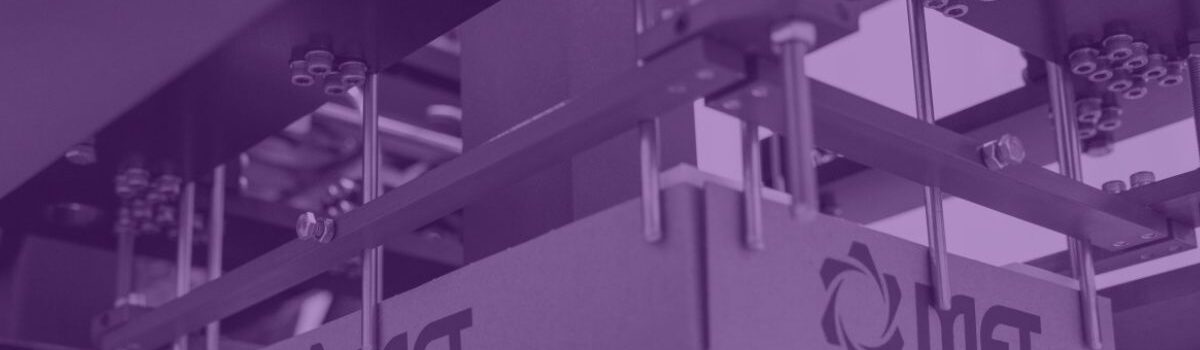
This year at PACK EXPO Las Vegas, MFT Automation unveils the next generation of tray forming technology.
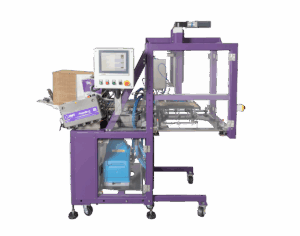
The Tray Former 500 is our newest innovation in packaging automation: a compact, operator-friendly system that’s designed to bring your production line speed, flexibility, and efficiency.
In an industry where change is constant with new products, shifting demand, tighter spaces, this next-generation tray former helps operations keep pace without compromise.
 Manufacturers across food, medical, and cannabis industries are facing the same challenges:
Why a New Tray Former Matters Now
Manufacturers across food, medical, and cannabis industries are facing the same challenges:
- More product SKUs to run in shorter cycles.
- Limited floor space for new automation.
- Growing demand for uptime and quick ROI.
- Staffing, skill, and operator training hurdles.
Key Features of the Tray Former 500
Compact Footprint
MFT Automation’s new Tray Former 500 takes up less space on your production floor without sacrificing performance. For facilities where every square foot counts, it’s a system that delivers maximum output in a smaller package.Toolless Flexibility
Switching between tray sizes or product runs has never been faster. With a toolless, quick-change design, operators have easy access to swap dies and components. This ability to adapt means your line can handle shifting demands with less downtime and more throughput.Operator-Friendly Interface
Built with intuitive controls, the Tray Former 500 is operator-friendly, engineered for reduced training time and simple day-to-day operation. Operators can get up to speed quickly and focus on production, rather than troubleshooting.Designed for Uptime
Every detail of the Tray Former 500 is designed to minimize maintenance and maximize reliability. From durable components to easy access for adjustments, it’s built to keep your production lines moving.Applications Across Industries
The versatility of the Tray Former 500 makes it a strong fit across multiple sectors:- Food & Beverage: Feed and form corrugated, cardboard, or other unformed packaging products for prepared foods with precision and speed.
- Medical & Pharma: Maintain consistency and reliability in regulated environments where accuracy matters most.
- Cannabis: Adapt to a wide variety of tray sizes and packaging formats in an industry that’s constantly evolving.
Smarter Investment, Faster ROI
Automation isn’t just about keeping up, it’s about moving ahead. With the Tray Former 500, your production line achieves:- Decreased downtime through toolless components.
- Increased efficiency in tight spaces.
- Reduced training requirements thanks to intuitive controls.
- A strong return-on-investment with an adaptable system.
See It First at PACK EXPO
The Tray Former 500 will make its debut at PACK EXPO Las Vegas. Attendees will be able to see live demonstrations, talk with our automation experts, and experience firsthand how this system is driving tray forming forward. If you’re heading to the show, make sure to stop by booth W-544 to see us and the Tray Former 500 in action. And don’t forget, you can register for free with our comp code: 85G78. Visit our website or connect with our team anytime to learn how the Tray Former 500 can enhance your packaging line.Sustainability in Printing & Packaging: Meeting Market Demand Without Compromise
Sustainability has moved from a nice-to-have to a non-negotiable in today’s packaging industry. Brands are under growing pressure from consumers, regulators, and their own environmental commitments to reduce waste, lower emissions, and choose eco-friendly materials. The challenge? Meeting these sustainability goals without sacrificing efficiency, cost-effectiveness, or quality.
That’s where we aim to provide expert insights and resources for you: the modern manufacturer. We design automated packaging equipment and automatic label machines that support greener practices while keeping production running at peak performance.
Circular Manufacturing: Closing the Loop
At the heart of sustainable production is circular manufacturing–a model that keeps materials and products in use for as long as possible. Instead of the traditional “take, make, dispose” approach, circular systems aim to design out waste, extend equipment lifespan, and reuse materials wherever possible. MFT Automation supports circular manufacturing by:- Designing for Durability: We engineer machines to withstand long production cycles, reducing the frequency of replacement.
- Refurbishing and Recertifying Equipment: Extending the life of our own machinery and helping you buy high-quality used systems at a lower cost.
- Precision Automation: We manufacture automatic label application and feeding systems that minimize misprints, material waste, and downtime.
Eco-Friendly Packaging Materials
Switching to biodegradable, compostable, and recyclable materials is a key step toward sustainability. But these materials can behave differently than traditional substrates–making accuracy and control in production lines more important than ever. When you incorporate eco-friendly packaging components, you need a solution that offers maximum control and precision. MFT’s product labeling machines and feeding systems are engineered to:- Handle delicate, flexible, or thinner eco-materials without damage.
- Apply labels with precision and consistently, reducing wasted product and rework.
- Integrate seamlessly into existing lines so manufacturers can make sustainable changes without disrupting production.
The Role of Automation in Sustainability
Automation, by design, maximizes efficiency, consistency, and control–making it a powerful driver of sustainable production. Compared to traditional machinery, automated solutions deliver greater accountability, repeatability, and real-time data visibility. MFT systems are engineered with intuitive operator interfaces and advanced monitoring capabilities, providing insights into processes, software performance, bottlenecks, and errors. This combination of precision and intelligence supports you in meeting your production targets while advancing sustainability goals through:- Less Waste: Precision-driven systems cut down on misprints, over-labeling, and defective packaging.
- Energy Efficiency: Modern automated packaging equipment often consumes less energy than older manual or semi-automatic systems.
- Data Tracking: Integration with vision inspection and track-and-trace systems allows for better monitoring of materials and waste output–informing continuous improvements.